EV Guide
Vehicle Plug Types
Outlets, computers, smartphones, and now EVs. Wherever a new technology grows, multiple kinds of plug inevitably follow. We’re here to clear up the confusion so you always know how to charge.
We’re improving the website experience. You may notice some changes, so we appreciate your patience while these improvements are taking shape.
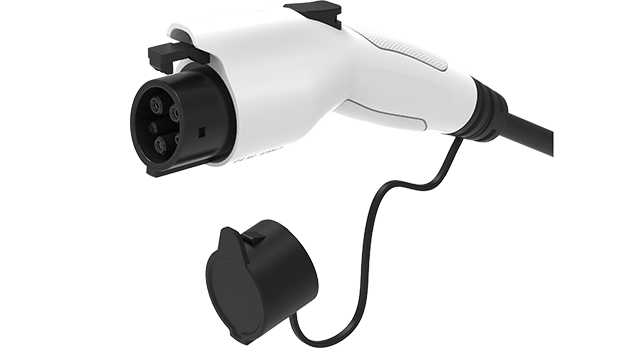
In New Zealand, this is the plug standard used by Mitsubishi and some pre-2018 EVs. It is the plug standard in North America and Japan.
The Type 1 plug has a five-pin design. Two pins are used as a mode of communication between the EV and charging stations, determining the maximum current available to the vehicle and preventing the car from moving while connected. The three remaining pins are used as AC lines for charging and a line to the ground.
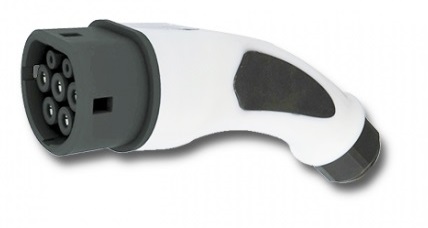
In New Zealand, this plug standard is currently used by all other EV manufacturers. It is now the standard for New Zealand EVs.
The Type 2 plug has a seven-pin design. The addition of two extra pins allows these plugs to support three-phase charging. Type 2 is also the plug standard for all of Europe.
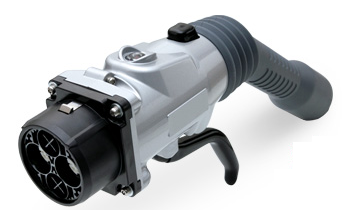
An abbreviation for “CHArge de MOve”, french for “move using charge”. It is used internationally by the Japanese brands Mitsubishi, Nissan and Toyota.
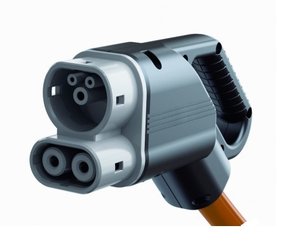
CCS is short for combined charging system. It allows AC and DC chargers to use the same plug. CCS has two variants using Type 1 and Type 2 AC plugs. These standards are used by Volkswagen, BMW, Ford and Hyundai internationally.
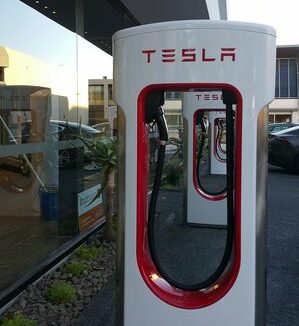
Tesla Superchargers use the same design as Type 2 AC plugs. However, they’re able to deliver much more power by using two of the pins for DC current.
However, despite the shared plug design, Tesla Superchargers will only charge Tesla vehicles.

Please select if you would like to view our New Zealand or our Australian website
 “EV” Language